Pumpkin Bars vs. Cake: Unraveling Your Favorite Fall Indulgence
As the leaves begin to turn and a crispness fills the air, there's nothing quite like the comforting aroma of fall spices wafting from a warm kitchen. Among the myriad of autumnal delights, pumpkin bars stand out as a perennial favorite, often sparking a delightful debate with their close cousin, pumpkin cake. But what truly sets these two treats apart, and how can you ensure you're using the right pumpkin base for your baking masterpiece?
This comprehensive guide dives deep into the world of pumpkin baking, demystifying the differences between pumpkin bars and cake, navigating the nuances of pumpkin puree, and sharing essential tips to make your next fall dessert an absolute triumph. Get ready to fall in love with your new favorite seasonal bake!
Unpacking the Allure of Pumpkin Bars
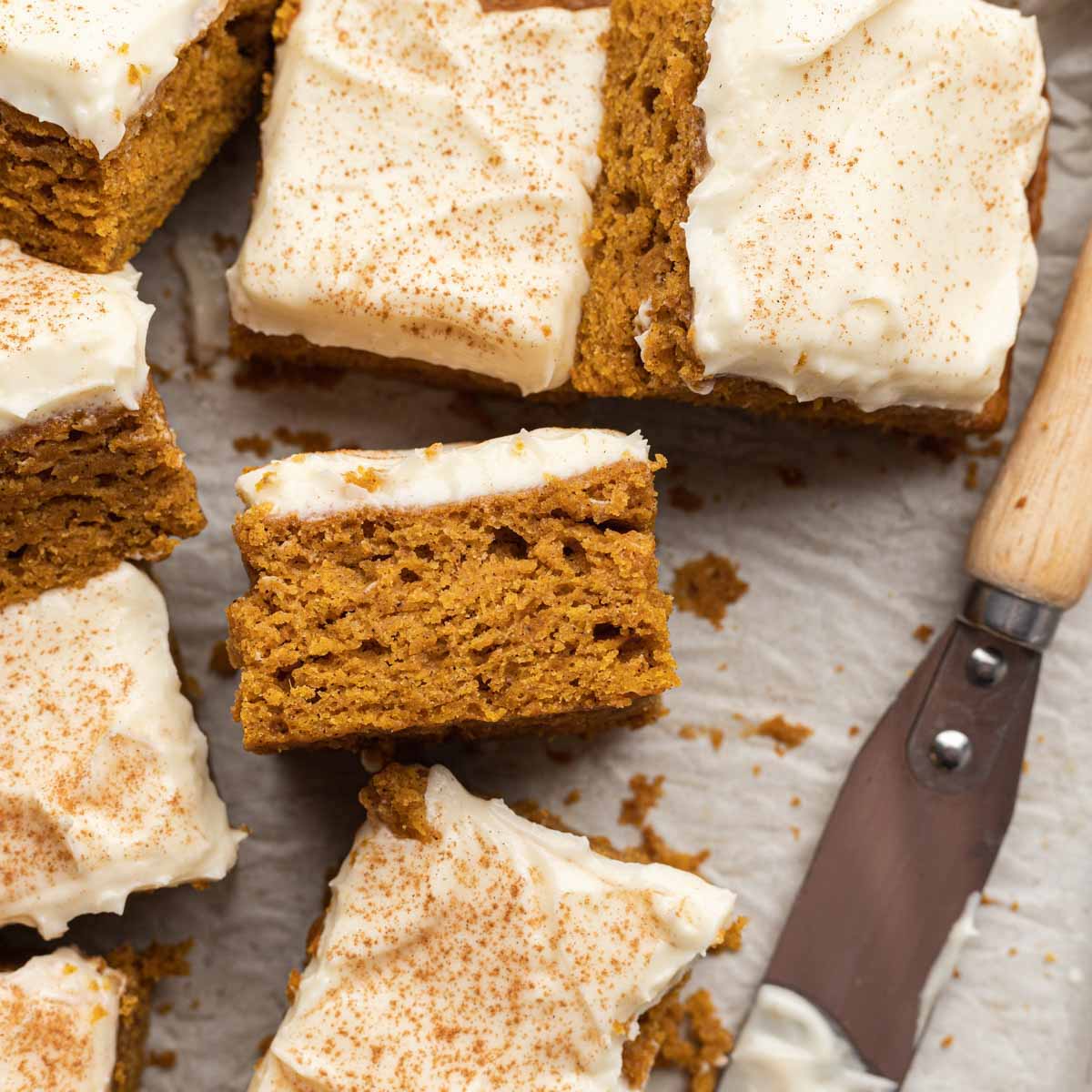
At their heart, pumpkin bars are a harmonious blend of beloved dessert textures and flavors. Imagine the perfect marriage of a spiced cake, the satisfying chew of a blondie, and the creamy comfort of a pumpkin spice latte – that's the magic of a well-made pumpkin bar. What makes them truly irresistible is often the generous, tangy layer of cream cheese frosting, frequently enhanced with a whisper of pumpkin pie spice, that elevates them from a simple square to a dessert-worthy indulgence.
What Exactly Are Pumpkin Bars?
These crowd-pleasing bars feature a remarkably moist, cake-like base that is denser and richer than a typical cake. Key ingredients include canned pumpkin puree, a generous hand of pumpkin pie spice, fragrant vanilla extract, rich brown sugar, and other pantry staples. The result is a sturdy, yet tender, square that's perfect for slicing and serving. Their robust structure makes them ideal for transport, making them a go-to for bake sales, potlucks, or as a festive ending to a Halloween dinner. Plus, many recipes, like our Easy One-Bowl Pumpkin Bars: Get Moist Perfection Every Time, simplify cleanup by requiring only a single bowl for the batter!
Oil vs. Butter: The Secret to Sustained Moisture
While butter undeniably brings a rich flavor to many baked goods, when it comes to pumpkin bars, oil is often the preferred fat, and for good reason. Baking with oil helps these bars retain their incredible moisture for days, ensuring every bite is as soft and tender as the first. Beyond moisture retention, oil also simplifies the baking process: it keeps the batter smooth and easy to stir, eliminating the need to haul out an electric mixer or plan ahead for room-temperature ingredients. This functional choice contributes significantly to the bars' signature moist and tender crumb.
Pumpkin Bars vs. Pumpkin Cake: A Delicious Showdown
The distinction between pumpkin bars and pumpkin cake often comes down to texture, influenced by their ingredient ratios. While both are quintessential fall desserts often crowned with a luscious cream cheese frosting, their eating experiences are distinctly different.
- Pumpkin Cake: Typically, a pumpkin cake boasts a lighter, more delicate, and airy texture. This is primarily due to a higher liquid content in its batter, which results in a softer, fluffier crumb. Pumpkin cakes are often baked in round pans and served in wedges, embodying a more traditional cake presentation.
- Pumpkin Bars: In contrast, pumpkin bars are known for their denser, richer, and sturdier bite. This satisfying texture comes from a precise balance of pumpkin puree and oil, creating a slightly chewier and more compact treat. Baked in sheet pans and cut into squares or rectangles, their robust nature makes them incredibly practical for sharing and serving to a crowd. They offer a more substantial mouthfeel, bridging the gap between cake and a denser brownie or blondie.
Ultimately, both are fantastic choices for showcasing the beloved flavors of fall. Your preference might simply depend on whether you crave a light, airy slice or a rich, dense square.
Your Essential Guide to Pumpkin Puree & Spice
The success of any pumpkin-based dessert hinges on two critical components: the pumpkin itself and the aromatic spices that define its flavor profile.
Mastering Pumpkin Puree: The Heart of Your Bake
This is arguably the most crucial distinction to understand for successful pumpkin baking. Misunderstanding the difference between pumpkin puree and pumpkin pie filling can lead to disastrous results.
- Pumpkin Puree: This is simply 100% pure pumpkin—roasted, mashed, and nothing else added. It's unsweetened and unspiced, providing a blank canvas for your recipe's flavor development. When a recipe calls for "pumpkin puree," this is what you need. Look for cans labeled "100% Pure Pumpkin" or "Pumpkin Puree" with no other ingredients listed on the label. Homemade pumpkin puree, while more labor-intensive, also offers a fresh, authentic flavor.
- Pumpkin Pie Filling: On the other hand, pumpkin pie filling comes pre-sweetened and pre-spiced, designed specifically for making pumpkin pie. It contains added sugars, spices (like those found in pumpkin pie spice), and sometimes other ingredients. These two are not interchangeable. Using pie filling when puree is called for will result in an overly sweet and intensely spiced dessert that may not set correctly. Always double-check your labels!
The Magic of Pumpkin Pie Spice
The warm, inviting flavor of fall baking largely comes from pumpkin pie spice. This classic blend is typically composed of ground cinnamon, ginger, nutmeg, allspice, and cloves. It's this combination that creates the distinctive, comforting aroma and taste we associate with autumn.
For those who frequently indulge in fall baking, consider making your own homemade pumpkin pie spice. It's simple to mix a batch to your preferred proportions, ensuring freshness and flavor intensity. If you find yourself without this blend, don't fret! You can create a makeshift substitute by combining individual spices you have on hand, or even use a similar blend like apple pie spice, which shares many common ingredients.
Keeping Your Pumpkin Bars Fresh and Fabulous
Once you've baked a batch of irresistible pumpkin bars, proper storage is key to enjoying their moist deliciousness for as long as possible.
Storage Savvy: Counter, Fridge, and Freezer
The presence of dairy in the cream cheese frosting dictates the storage requirements for your pumpkin bars.
- Countertop Storage: While the pumpkin and oil in the batter help keep the bars incredibly moist, the cream cheese frosting means they shouldn't be left at room temperature for more than two hours. After this time, refrigeration is essential to prevent spoilage.
- Refrigeration: For short-term storage, wrap your pumpkin bars well or place them in an airtight container and store them in the refrigerator. They will stay fresh and delicious for up to five days. Don't worry about them getting tough; the unique composition of pumpkin and oil in the batter ensures they remain soft and moist even when chilled.
- Freezing: For longer enjoyment, pumpkin bars freeze beautifully. This is the best method to save them for more than five days.
- Ensure the bars are completely cooled before freezing.
- Place them on a baking sheet in the freezer for about an hour. This allows the frosting to firm up, preventing it from sticking when stacked.
- Once firm, transfer the bars to an airtight, freezer-safe container, separating layers with parchment paper if needed, or wrap them individually in plastic wrap.
- Store in the freezer for up to three months.
- To defrost, simply transfer the bars to the refrigerator overnight.
Serving Tips for Optimal Enjoyment
Even if stored in the fridge, allowing your pumpkin bars to come to room temperature for 15-30 minutes before serving can enhance their flavor and texture. The cream cheese frosting will soften slightly, and the spices in the bar will become more pronounced, offering the best possible tasting experience.
Conclusion
Whether you're a seasoned baker or just dipping your toes into autumnal treats, understanding the nuances of pumpkin bars can elevate your baking game. From their dense, moist texture and the specific role of oil, to the crucial distinction between pumpkin puree and pie filling, and savvy storage solutions, these insights ensure every batch is a success. While pumpkin cake offers a lighter alternative, pumpkin bars hold a special place with their sturdy, satisfying bite and creamy frosting. So, embrace the season, grab your can of pure pumpkin, and bake up a batch of these quintessential fall favorites that are sure to delight!
